|
|
|
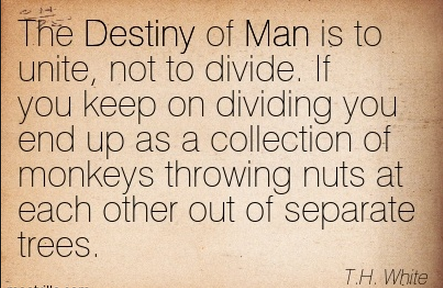

Cognitive dissonance is the state of psychological tension arising from incompatibility of a person's conditioned beliefs and behaviour from their social, religious and cultural upbringing with Truths that bring to question these long-accepted beliefs. In particular, during instances when a choice must be made between so-called normal or repulsive alternatives.
An example is racial or cultural remorse: a feeling of guilt and self-condemnation associated with succumbing to racist or cultural bias by choosing to condemn another person in any way, who exhibit differences in faith, cultural festivities and racial attire.
At the root of all psychological disorders associated with cognitive dissonance is the Universal Law of Life that every condemnation, criticism and prejudiced judgment of another, from your spouse to child, and friends to strangers, is self-condemnation, self-judgment and self-criticism. We inherit cognitive dissonance from well-meaning adults who in turn, inherited theirs from their parents and guardians.
You can begin to break this vicious cycle now. Release all negative conditioning as they arise and forgive yourself and others. Change your attitudes and beliefs whenever you can to embrace the differences of all of humanity that make up our One Universal Existence as humanity.
The Truth remains that what you do or how you see in others, is what you are doing and seeing in yourself.
Respect others. Respect yourself.
This season, may the true Spirit of love, peace and joy bring us closer together with the Cosmic nature of cognitive consonance that melts away destructive, health damaging attitudes and beliefs within ourselves and spread goodness from within, with the rest
of the world.
- Dr. Jacquelyn PY Soo
POWER PHRASES
Dealing with customers can sometimes leave you:
- ŸScrambling for the right words to say, OR
Ÿ- Going blank and can't think of an appropriate response, OR
Ÿ- Regretting words heard that you later realised were from your mouth
Being in the client management field (in fact, all fields) professionalism entails being courteous, respectful and helpful despite behaviours of clients. Regardless of how clients may be behaving, what matters most is their perception of good service:
Just as ourselves, how they are treated is of utmost importance to them.
Only when clients believe they're receiving exceptional service that we succeed in giving it.
This is why we each need the skills to handle negative behaviours, from clients and ourselves.
To do this, we need to know:
1. ŸHow to identify bad behaviour and maintain control of conversations
Ÿ2. What are the right words to say to diffuse/ improve any situation
Ÿ3. What are the right words to use to professionally handle clients to their satisfaction
You need to know the Power phrases to communicate your best and ensure clients' perception of you is, and continues to be, positive. Words must be used in every communicative event and the choice of words make all the difference in how clients view you.
Let's start!
Begin each and every client interaction with a welcoming phrase that helps you to put your best foot forward
[Think of examples of what you use now before you read on]
1. Speak with courtesy, respectfully and enthusiastically
- ŸFoster open dialogue with client(s)
Ÿ- Build a rapport and consistently show interest in making every interaction smooth
Ÿ- Whenever appropriate add power phrases that convey you are genuinely concerned and truly understand the
individual's POV [empathy/ regret/ joy]
Ÿ- Close every client conversation with power phrases that leave a positive impression
2. End each communicative contact successfully, including those that didn't start that way
ŸWhether it was the client or you who behaved badly, use power phrases until they become a habit, part of your own vocabulary to handle all communicative challenges with confidence and maintain control of any situation.
What not to do
Alex is an account executive who was experiencing an unusually stressful morning. Earlier, a colleague June called to say she was running behind and he would have to handle her clients. While Alex was busy tending to her own clients' work in the studio while handling June's clients' concerns over the phone, she noticed a client who walked in for a scheduled meeting and had been waiting for June in the reception area standing up and down.
Alex did not make eye contact but stared at the screen in the studio until she finished her phone call. Then she went over and asked, "Yes?" with no emotion on her face. "I've been waiting for almost an hour now", the client asked, "Any idea how late June's going to be?"
"I told you when you arrived, I'm not sure. Do you want to reschedule?" The client replied,
"I'm already here and the same thing could happen next time. I have no choice but to wait",
the client replied, mocking Alex's annoyed tone. Alex walked away, picked up the ringing phone- her own client
and made a note to call June right after.
- - -
Evaluation
Alex's interaction with the client failed because she didn't choose the correct words. Power phrases make all the difference- the first thing she said when she approached the client was "Yes?" in an annoyed tone- signalling she was inconvenienced. Instead, she could have used a power phrase that was welcoming, asking in an interested tone, "How may I help you?" which could have gotten the contact off on a positive note.
She also failed to empathize with the client about the wait, and worse, spoke in a disrespectful manner, which would annoy anyone, let alone a client. Instead, she could have chosen to use power phrases that show understanding or regret, saying for example, "I understand that you're very busy and have a lot of other things to do today", then follow with a statement of appreciation that shows she cares like "We appreciate your patience."
If Alex had used power phrases in her dialogue, she could have paved the way to a successful interaction but her choice of words left the client annoyed, and herself, drained of confidence about her own ability to interact with others in a more positive manner.
SAMPLE POWER PHRASES OF WELCOME
The opening words you say to clients can welcome them into your agency, giving them a sense of warmth and friendliness to trust your agency with future business. Words have tone and manner: genuine, warm and inviting, or cold, ignorant and untrustworthy. It's all about a choice of words and how they are delivered. Practice using phrases of welcome to open the door wide forever more rewarding client interaction.
3. Use power phrases to form a positive impression about yourself
- ŸHello! or Hi!
Ÿ- Good morning/ afternoon/ evening!
- ŸIt's really good to see you again.
- ŸThanks for coming by/ calling... how may I help you?
- ŸI'm pleased to meet you (First time meeting)
- ŸWhat can I help you with today?
- ŸMay we help you to come up with a campaign for that...?
4. Power phrases TIPS to form positive impressions
- ŸAlways try to be the first to greet clients (Whoever greets first have the upper-hand)
Clients should never be placed in the position to greet or ask for help first or you've lost goodwill
Ÿ- Smile and offer warm welcome to show clients you're happy they're with you
- ŸTry to include an offer of help in your closing phrase
E.g. Thank you! Let us know if we can be of more help. It was good to see you today.
Add such phases of your choice to personalise your greetings.
Ÿ- Speak with genuine enthusiasm that complements your own personality
Ÿ- Indicate eagerness to help in every word (increase your self-value)
Ÿ- Project your voice in ways that illustrate the client chose right to work with you
Ÿ- Even if client's body language/ expression is less friendly, make them feel comfortable
ŸPower phrases can improve and even change client's negativity into positive attitude
5. Power phrases to maintain and build positive impressions about yourself
You walk towards the presentation room and spot a client behind her desk. She looks at you and asks in a bored tone, "What are you doing here?" Most can't help but wonder why she bothered to open her mouth, but you know better and reply with ease, "I'm here to present an amazing set of work that'll help keep you behind your desk!"
(Well, in your own way and with less spunk especially if you don't know her well enough : )
You both smile and move on with ease to a more a positive stance that benefits both.
Compare
You walk towards the presentation room and spot a client behind her desk. She looks at you, smiles and enthusiastically says, "Hello! How are you?" You smile and reply, "I'm great, thanks. Can't wait to present this new set of work to your company." She responds, "That's great. Come to think of it, I've got something for you too. Please come by and see me after your presentation - and good luck on it too!" You both enjoy the chat with comfort and ease.
SAMPLE POWER PHRASES OF COURTESY
The words you say to clients after welcoming them into your agency's "vantage point" represent how you view your clients - and yourself. Everyone appreciates being treated courteously so it is always a good idea to interject your conversations with power phrases of courtesy to show clients and others that you respect them - and this one area where the adage "what you give, you receive" always ring true.
6. Always use power phrases of courtesy to build positive rapport
- ŸPlease/Thank you/You're welcome/Excuse me... [common courtesies]
- ŸI apologise/ I'm sorry... can you please repeat that?
- ŸInstead of "You will..." always use "Will you..." [Domineering/Low self-esteem vs. Confidence]
- ŸInstead of "Yeah" always use "Yes" [Colloquial/Careless vs. Correct usage/Professionalism]
- ŸI'm not sure. I'll find out and revert to you as soon as possible
- ŸWill you please hold while I go and check on it?
- ŸThanks for waiting
- Use proper titles:
ŸMr./ Ms./ Dato./ Dr./ Tan Sri... address by first name only if you know it's appropriate
Words of common courtesy should be granted yet seem to be grossly under-used even though clients will never fail to appreciate hearing them, especially a genuine thank you, which often goes a very long way.
NEVER...
- ŸJust say, 'huh?' or 'what?' to show you don't understand something but try to use,
"I'm sorry, I didn't hear what you just said..." to come across as a courteous, reliable and deserving of respect
Ÿ- Voice your words in a condescending tone. Always speak in an educated, respectful manner
- ŸLeave the client on hold without explaining why to them, always thank them for waiting
Finally, try and remember to use client's names in your conversations - people love hearing their own names and will be more attentive to what you say upon hearing their names.
BELIEF: WHAT CLIENTS WANT MOST
What is belief?
Belief is the overwhelming desire that lies at the root of every buying decision.
Clients want and need belief more than anything else before they decide to buy in.
People need to believe before they buy
¤Beliefs give clients certainty in an unpredictable market
¤Beliefs are grounded on stories that explain why we do the things we do
¤Beliefs are what "move mountains" by motivating human hands and minds
¤Great brands - campaigns and agencies are memorable because people believe
¤Leaders become great and powerful because people believe in and follow them
¤Without belief, nobody cares
Humans have an innate need to believe so the real challenge is to create that belief.
Here is HOW
1. Believe in yourself, the agency and clients' products and services.
You can't ask a client to believe in something you don't believe in
It's obvious to clients and everyone else whether you believe in yourself or not:
- You're happy to call on a client
- You're happy to request for assistance from your colleagues
- You're happy to do all that you can (doesn't matter if others are not)
- You're confident of adding value to yourself and clients
- You never spout hype BUT simply tell the truth
- You don't give a sales pitch- you listen carefully and respond appropriately to clients
2. Provide LESS information.Information does not create belief.
¤ When clients believe something, they find facts that reinforce the belief
¤ When we don't believe something we ignore all facts that contradict us
# SECRET 1. BELIEF ALWAYS COMES FIRST #
Belief always comes first and it emerges from experience, either personal or shared.
¤That's why people test drive a car before they buy
¤That's why product samples and trial periods work
¤That's why you decided to buy on a friend's recommendation (and insist it's right even if not)
# SECRET 2. INFORMATION IS THE ENEMY OF BELIEF #
The more choices clients have, the harder it is for them to believe...
... they're making the right decision
... they're missing out all some information from so much they must absorb
¤ Stop harping on information/features/functions
¤ Start and keep providing the single fact (USP) about your services/ products
that best reinforce the client's deeply-held beliefs [make a list: what do they believe NOW?]
3. Let our clients sell our services
Repeating to clients that you're the best is the worst to do.
Passionately believe in yourself, products and company, but don't go on about it:
¤ Clients or anyone is not impressed with anything but what can you do for me
¤ People avoid zealous sales people, insurance or car sales men, religious dogma,
often treating them as SPAM (E.g. MINE is the only one true God! "We're the best!!")
# SECRET 3- YOUR ACTIONS & ATTITUDE ARE THE BEST FRIENDS OF BELIEF #
Communicate beliefs in yourself and the agency by actions and attitude, NOT by words:
¤ Keep your beliefs close to your heart and do not wear them on your T-Shirt
¤ Once a client forms true belief in you, they'll be the ones selling you and the agency
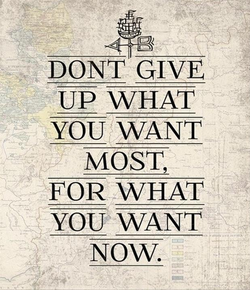
How to manage clients' expectations
Build longstanding relationships that can withstand all times, from good to bad. A lot of work goes into winning new business:
vCold calls, initial prospecting
vEarly conversations and meetings
vStrategic program development
vBudget considerations
vDrawing up timelines, deadlines and so on but...
All work can suddenly stop if the same amount of time, energy and commitment is not focused on managing client's expectations after we've won the business.
How to develop client expectations for long-term relationships
Maintaining a client over tough times is the true test of a relationship
1. Build a relationship that goes beyond client-agency boundaries: Top business leaders choose to work with those who possess two characteristics:
a. A person they can respect b. A person they personally enjoy being with
Develop a personal relationship to build stronger business relationships
vGet to know our client's family, how they spend their free time, interests and, most importantly, what motivates them on a daily basis vTranslate your understanding into your business relationship
2. Update regularly and address problems directly
Any good client relationship can overcome setbacks when you:
vProactively communicate good and bad news
vTrust is formed when communication is direct and transparent
vTrust and respect create a foundation for long-lasting relationships
3. Agree on strategy, goals and timelines
vAgree on what success is for your projects and how it should be measured
vCreating a scope-of-work document (contact report) that outlines details, budgets and metrics to alleviate any
confusion over expectations and eliminate difficult conversations
4. Be a consultant
Offer advice, direction, input and business counsel
vOpen dialogues help to establish the mutual respect for project management vOffer objective opinions: give your POV or risk being a "yes" individual, which will not work out in your interests, or those of your colleagues
5. Listen
Many clients are unsure of what they are trying to accomplish or not very good at articulating it
vHone excellent intuition and listening skills
vIdentify key messages being communicated
vRepeat what you've heard and ask for confirmation of key messages, which ultimately impacts expectations.
6. Budget is a beautiful word
Relationships suffer when you are not open and honest about budgets
vBe realistic, set a clear understanding of the budget for the desired project vThroughout the project, have regular dialogues about budgets
vAddress the client with or without issues (i.e., operating over budget) or you risk paying the over charges.
At the end of the day, your ability to manage client expectations depends on how well you choose to communicate. If you leave things up to chance, chances are you and your client will both be disappointed. Keep clients' expectations in check and be in a good position to grow your relationship over time:
vTake the time to listen
vBe proactive about communicating openly
vAddress any issues head-on